

Mastering Your Time
A Guide to Living on 24 Hours a Day

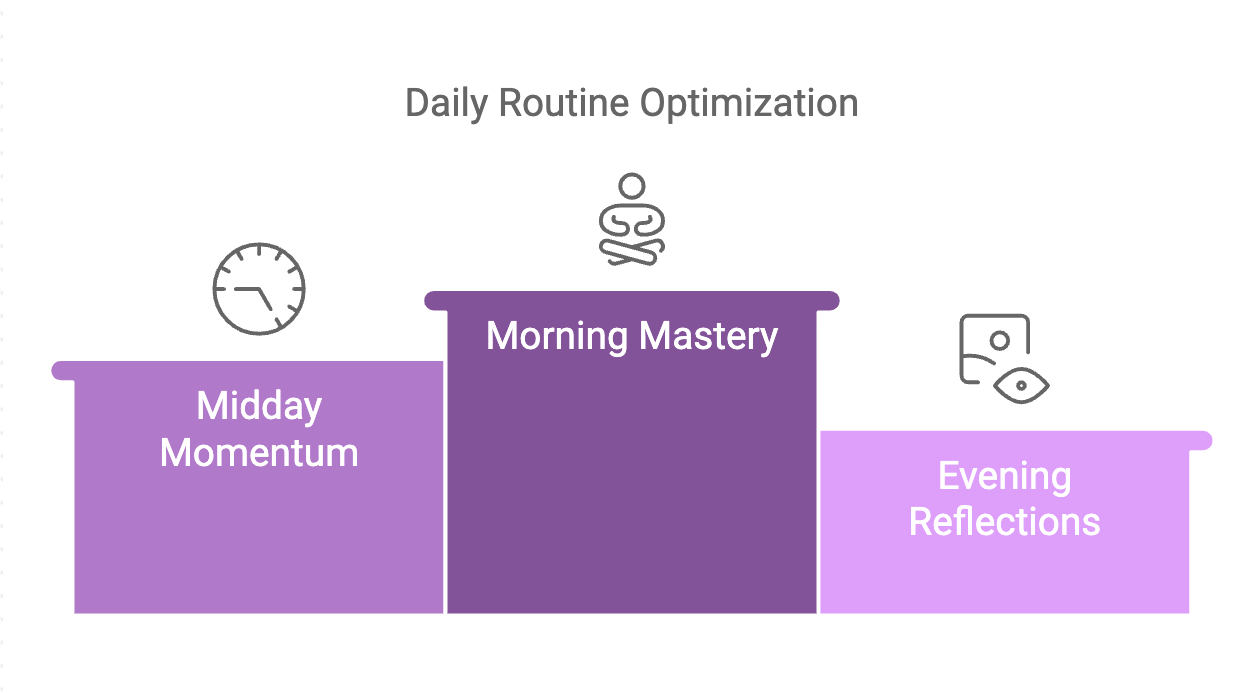
Time is the ultimate non-renewable resource. It’s the one thing you can never get back once it’s spent. In his classic book How to Live on 24 Hours a Day, Arnold Bennett articulated this truth with remarkable clarity: no matter who you are or what your circumstances, each day gifts you a fresh supply of 24 hours. The challenge lies in using those hours wisely.
In today’s fast-paced world, time management isn’t merely a skill—it’s a lifeline. This advanced guide builds upon Bennett’s timeless insights, integrating them with modern strategies tailored for high achievers who aspire to not just survive but thrive. Let’s embark on a journey to transform how you live each day, turning 24 hours into the foundation of a life of intention, impact, and freedom.
Time: The Ultimate Equalizer
“Time is a daily miracle,” Bennett wrote. It’s the one resource distributed equally to every person on earth. Yet, paradoxically, it’s also the most wasted. We tend to treat time as though we’ll always have more—scrolling endlessly through social media, overcommitting to activities that don’t serve our goals, and procrastinating on work that truly matters.
Rethinking Your Relationship with Time
To master time, you must first understand its value. Imagine a bank account that resets daily, depositing 1,440 minutes into your “time account.” By midnight, whatever remains unspent is gone forever. Would you waste those minutes as easily as you waste time?
Exercise: Calculate Your Time’s Worth
To grasp the true cost of wasted time, calculate your hourly value. Divide your annual income by the number of hours you work each year. Now, ask yourself: are you using your time in ways that align with its monetary value—or more importantly, its life value?
Preparing for Success
Before diving into advanced techniques, set yourself up for success with the right mindset and tools. Effective time management is as much about preparation as it is about execution.
1. Establish Your Purpose
Bennett emphasized that purpose gives meaning to how you spend your time. Without it, even the most well-organized day feels empty. Reflect on your long-term goals and how your daily activities contribute to—or detract from—them.
Example:
If your goal is to write a book, but you spend hours binge-watching TV, your actions aren’t aligned with your aspirations. Define your purpose, then measure your daily choices against it.
2. Start Small to Build Momentum
Major life changes begin with small, consistent actions. Rather than overhauling your entire schedule overnight, identify one area to optimize—a morning ritual, a single work habit, or an evening wind-down routine.
3. Accept Imperfection
Life is unpredictable. Plans will falter, interruptions will arise, and energy levels will fluctuate. Success lies not in flawless execution but in your ability to adapt and realign.
Advanced Strategies for Time Optimization
Keep reading with a 7-day free trial
Subscribe to Pole Position Pro's Substack to keep reading this post and get 7 days of free access to the full post archives.